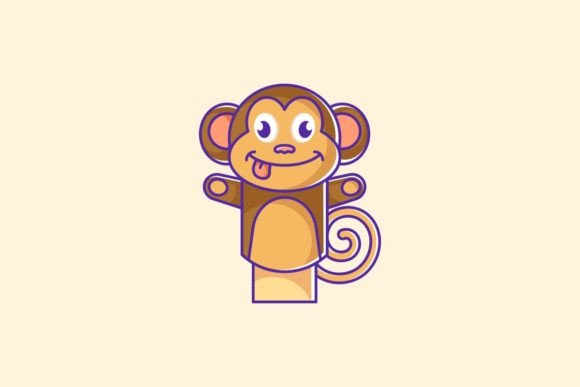
Unleashing Playful Branding with Monkey Finger Puppet Cartoon
In the crowded digital landscape, grabbing attention is only half the battle; holding it requires personality. If you are looking to inject a dose of whimsy, nostalgia, and approachable charm into your creative work, the Monkey Finger Puppet Cartoon typeface is a design asset that demands attention. This isn't just another display font; it is a distinct visual voice that captures the tactile, handmade feel of a childhood favorite—the sock puppet—while delivering the crispness and scalability required for modern digital and print projects. For designers, marketers, and content creators, understanding how to wield this specific style can be the difference between a forgettable layout and a brand identity that truly connects.
A Deep Dive into Visual Character and Appeal
At its core, the Monkey Finger Puppet Cartoon font embodies a playful rebellion against rigid, corporate typography. Visually, it mimics the uneven, slightly bumpy texture of yarn or felt, reminiscent of a handcrafted puppet. The letterforms often feature soft edges and a slight inconsistency that adds warmth and authenticity, distinguishing it from the sterile perfection of geometric sans-serif fonts. It is a typeface that doesn't just sit on the page; it performs. The personality here is undeniably friendly, nostalgic, and energetic. It evokes a sense of storytelling and creativity, making it an excellent choice for projects that aim to feel accessible and human rather than distant and institutional. Its appeal lies in its ability to bridge the gap between professional design and the charming imperfection of handcraft.
Strategic Applications Across Creative Projects
Knowing where to deploy the Monkey Finger Puppet Cartoon font is key to maximizing its impact. Its playful nature makes it a natural fit for specific niches within the design and marketing world. Consider its strengths in these areas:
- Children’s Branding & Education: It’s the obvious choice for book covers, educational apps, toy packaging, and daycare center logos. The font’s inherent friendliness communicates safety and fun, which is paramount for this audience.
- Event & Party Design: For invitations, banners, and social media graphics for birthday parties, baby showers, or community theater productions, this font sets a celebratory, informal tone immediately.
- Blog & Content Headers: Lifestyle bloggers, parenting coaches, and craft enthusiasts can use it for headings to establish a unique brand voice that feels personal and engaging, encouraging readers to dive into the content.
- Merchandise & Apparel: Its bold, graphic quality translates well to t-shirts, tote bags, and stickers, especially for brands with a quirky, humorous, or family-oriented identity.
However, context is everything. While perfect for a toy store’s website, it would likely feel out of place on a law firm’s letterhead or a luxury watch brand’s homepage. The key is to match the font’s personality with the project’s goals and audience expectations.
Mastering Readability and Brand Perception
A creative font’s value is measured not just by its flair but by its functional performance. The Monkey Finger Puppet Cartoon font, being a display typeface, is designed for impact, typically at larger sizes. Its unique texture, while charming, can reduce legibility in small body text or dense paragraphs. Therefore, it’s best used for headlines, logos, or short call-to-action phrases where it can shine without hindering comprehension.
When used strategically, this typeface can significantly influence brand perception. It tells a story of creativity, approachability, and a touch of whimsy. For a small business or a personal brand, it can be a powerful tool for differentiation. Pairing it with a clean, highly readable sans-serif or serif font for body text creates a balanced visual hierarchy. For example, a logo set in Monkey Finger Puppet Cartoon paired with a simple font like Open Sans or Lora for website copy maintains professionalism while injecting personality. This thoughtful combination ensures your brand feels both unique and trustworthy.
Practical Guidance for Implementation and Licensing
Before integrating any new design asset into your workflow, a practical evaluation is necessary. Here’s how to approach the Monkey Finger Puppet Cartoon font:
- Test the Pairing: Don’t just look at the font in isolation. Mock it up alongside your intended body text font, color palette, and imagery. Does the combination feel cohesive or chaotic? Use design software to create sample layouts for a landing page, a social media post, and a print flyer.
- Review the Character Set: Check for the specific glyphs you need. Does it include all the punctuation, numerals, and special characters required for your project? Some decorative fonts have limited character sets.
- Consider the Format: As noted, this asset comes in vector formats like AI and EPS, with no size limit. This is a major advantage for large-scale applications like signage or vehicle wraps, where pixel-based graphics would fail. Ensure you have the right file type for your software.
- Clarify Commercial Use: Always verify the licensing. For a freebie, the terms are crucial. Can you use it for client work? For merchandise you sell? Understanding the license protects you and your clients from legal issues down the line.
Ultimately, the Monkey Finger Puppet Cartoon font is more than just a quirky set of letters. It’s a versatile creative tool that, when used with intention and skill, can elevate a brand’s visual storytelling. It offers a way to stand out in a sea of sameness, connect with audiences on an emotional level, and bring a unique, handmade spirit to any project. By focusing on its strengths in specific applications and pairing it with complementary, functional typefaces, you can harness its playful energy to create designs that are both memorable and effective.